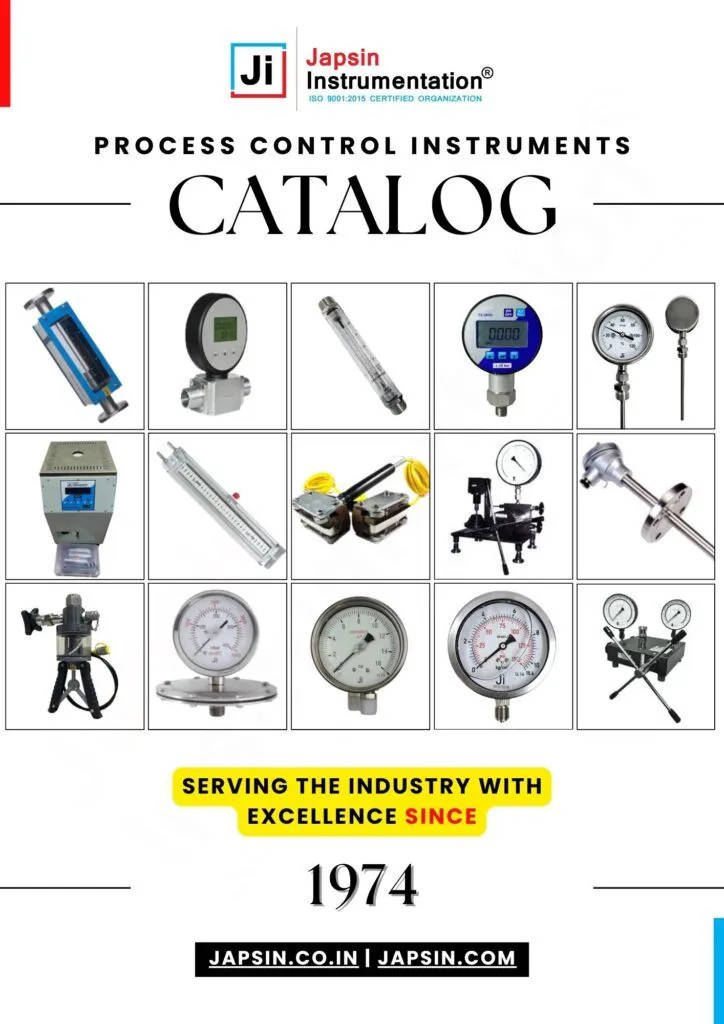


Temperature is one of the most critical parameters in industrial processes. From chemical reactions and pharmaceutical production to power generation and food processing, precise temperature control ensures product quality, operational safety, energy efficiency, and regulatory compliance.
Accurate temperature measurement is therefore essential in modern industries. Without reliable temperature monitoring, processes can become unstable, equipment can fail, and product quality may decline. This is why industries rely on a wide range of industrial temperature measurement instruments to monitor and control temperature in real time.
Industrial temperature measurement instruments are designed to withstand harsh operating environments, including high temperatures, corrosive chemicals, high pressure, vibration, and extreme weather conditions. These instruments provide accurate readings that allow operators and automation systems to maintain optimal operating conditions.
In this comprehensive guide, we will explore:
Table of Contents
This guide is designed for engineers, plant managers, procurement professionals, and automation specialists who want to better understand industrial temperature measurement systems and make informed purchasing decisions.
Why Temperature Measurement is Important in Industrial Processes
Temperature directly influences many physical and chemical processes in industrial environments. Even small variations can have significant effects on process outcomes.
Key Reasons Temperature Monitoring is Essential
1. Process Control
Industrial processes such as chemical reactions, distillation, fermentation, and heat treatment require precise temperature control.
2. Product Quality
In industries like pharmaceuticals, food processing, and plastics manufacturing, product quality depends heavily on maintaining specific temperature ranges.
3. Equipment Protection
Overheating can damage critical equipment such as turbines, compressors, reactors, and boilers.
4. Energy Efficiency
Temperature monitoring helps optimize heating and cooling systems, reducing energy consumption and operating costs.
5. Safety
Temperature fluctuations can cause hazardous situations including pressure build-up, chemical instability, or equipment failure.
For these reasons, reliable temperature measurement instruments are fundamental to modern industrial operations.
What Are Industrial Temperature Measurement Instruments?
Industrial temperature measurement instruments are devices designed to measure, monitor, and control temperature in industrial environments. These instruments convert thermal energy into measurable signals that can be interpreted by operators or automated control systems.
Temperature instruments are typically integrated with:
- PLC systems
- SCADA platforms
- Distributed Control Systems (DCS)
- Data loggers
- Alarm and monitoring systems
These instruments ensure accurate temperature monitoring across complex industrial systems.
Types of Industrial Temperature Measurement Instruments
There are several types of temperature measurement technologies used in industries. Each technology has specific advantages depending on the application.
The most common industrial temperature measurement instruments include:
- Thermocouples
- RTDs (Resistance Temperature Detectors)
- Bimetal thermometers
- Infrared thermometers
- Temperature transmitters
- Temperature recorders
- Digital temperature indicators
Let’s explore each in detail.
Thermocouples
Thermocouples are among the most widely used temperature sensors in industrial applications.
Working Principle
Thermocouples operate based on the Seebeck Effect. When two dissimilar metals are joined together and exposed to temperature differences, a voltage is generated.
This voltage is proportional to the temperature difference between the measurement junction and the reference junction.
Common Thermocouple Types
- Type K (Chromel-Alumel)
- Type J (Iron-Constantan)
- Type T
- Type E
- Type N
- Type R and S (high temperature)
Advantages
- Wide temperature range
- Fast response time
- Durable in harsh environments
- Suitable for high temperatures
Limitations
- Lower accuracy compared to RTDs
- Requires reference junction compensation
Typical Temperature Range
- −200°C to 1700°C depending on type
Resistance Temperature Detectors (RTDs)
RTDs are highly accurate temperature sensors commonly used in precision industrial applications.
Working Principle
RTDs operate based on the principle that the electrical resistance of metals changes with temperature.
Platinum is the most commonly used material because of its stable and predictable resistance characteristics.
The most common RTD type is Pt100, meaning the sensor has a resistance of 100 ohms at 0°C.
Advantages
- High accuracy
- Excellent stability
- Repeatable measurements
- Ideal for precision applications
Limitations
- More expensive than thermocouples
- Lower temperature range
Typical Temperature Range
- −200°C to 600°C
Bimetal Thermometers
Bimetal thermometers are mechanical temperature measuring instruments commonly used for local temperature indication.
Working Principle
A bimetal thermometer consists of two different metals bonded together. These metals expand at different rates when temperature changes.
This differential expansion causes the strip to bend, which moves a pointer across a calibrated dial.
Advantages
- Simple mechanical design
- No external power required
- Reliable and durable
- Cost-effective
Limitations
- Slower response time
- Lower accuracy compared to electronic sensors
Applications
- Boilers
- HVAC systems
- Industrial pipelines
- Water systems
Infrared Thermometers
Infrared thermometers measure temperature without physical contact.
Working Principle
All objects emit infrared radiation depending on their temperature. Infrared sensors detect this radiation and convert it into temperature readings.
Advantages
- Non-contact measurement
- Suitable for moving objects
- Ideal for extremely high temperatures
- Safe for hazardous environments
Applications
- Steel plants
- Glass manufacturing
- Food processing
- Electrical maintenance
Temperature Transmitters
Temperature transmitters convert sensor signals into standardized output signals.
Output Types
- 4–20 mA
- HART protocol
- Digital communication
Purpose
Transmitters allow temperature signals to be transmitted over long distances to control systems such as PLCs and SCADA systems.
Advantages
- Signal stability
- Noise reduction
- Remote monitoring capability
Temperature Recorders
Temperature recorders are used to log temperature data over time.
Types
- Paper chart recorders
- Digital data loggers
- Electronic temperature recorders
Applications
- Pharmaceutical validation
- Cold chain monitoring
- Food storage
- Environmental monitoring
Digital Temperature Indicators
Digital indicators display real-time temperature readings from sensors.
They are commonly used in:
- Industrial panels
- Control rooms
- Laboratory equipment
These devices offer clear, precise readings and often include alarm functions.
Industrial Applications of Temperature Measurement Instruments
Temperature instruments are essential across a wide range of industries.
Oil and Gas Industry
Temperature monitoring is critical for:
- Refinery processes
- Pipeline transport
- Gas compression systems
- Storage tanks
Accurate temperature data ensures safe operation and process optimization.
Chemical Industry
Temperature control is crucial for chemical reactions.
Applications include:
- Reactor monitoring
- Distillation processes
- Heat exchangers
- Storage vessels
Power Plants
Power generation systems require constant temperature monitoring for:
- Steam boilers
- Turbines
- Cooling systems
- Condensers
Temperature instruments help prevent overheating and equipment failure.
Pharmaceutical Industry
Pharmaceutical production requires strict temperature control to maintain product quality and regulatory compliance.
Applications include:
- Sterilization processes
- Cleanroom environments
- Fermentation systems
- Storage conditions
HVAC Industry
Heating, ventilation, and air conditioning systems rely heavily on temperature measurement.
Applications include:
- Chillers
- Air ducts
- Cooling towers
- Refrigeration systems
Food and Beverage Industry
Temperature control is essential for food safety and quality.
Applications include:
- Pasteurization
- Cooking processes
- Storage refrigeration
- Cold chain logistics
How to Choose the Right Temperature Measurement Instrument
Selecting the correct temperature instrument requires evaluating several factors.
1. Temperature Range
Different sensors support different temperature ranges.
For example:
- Thermocouples → high temperature
- RTDs → moderate temperature
2. Accuracy Requirements
Precision industries such as pharmaceuticals require higher accuracy sensors.
RTDs typically offer better accuracy than thermocouples.
3. Environmental Conditions
Consider operating conditions such as:
- Corrosive chemicals
- High pressure
- Vibration
- Humidity
These factors influence sensor material and protective sheath selection.
4. Response Time
Fast processes require sensors with quick response times.
Thermocouples typically respond faster than RTDs.
5. Installation Location
Sensors may be installed in:
- Pipelines
- Tanks
- Reactors
- Ducts
- Surface-mounted systems
The installation environment determines probe design.
Importance of Calibration
Temperature sensors must be calibrated regularly to maintain accuracy.
Calibration compares sensor readings with reference standards to detect deviations.
Common calibration methods include:
- Dry block calibrators
- Liquid bath calibration
- Comparison calibration
Regular calibration ensures reliable measurements and compliance with quality standards.
Maintenance Best Practices
To maintain optimal performance of temperature instruments:
- Inspect sensors periodically
- Clean protective sheaths
- Verify wiring connections
- Replace damaged probes
- Maintain calibration schedules
Proper maintenance extends the lifespan of temperature instruments and ensures accurate measurements.
Role of Temperature Measurement in Industry 4.0
Modern industrial systems integrate temperature sensors with advanced automation technologies.
Temperature data is now used in:
- Predictive maintenance systems
- Smart factories
- Industrial IoT networks
- Energy optimization platforms
Real-time temperature monitoring allows industries to improve operational efficiency and reduce downtime.
Choosing the Right Industrial Instrumentation Manufacturer
Selecting the right manufacturer is just as important as choosing the correct sensor type.
Reliable manufacturers offer:
- High-quality materials
- Precision manufacturing
- Calibration certification
- Custom engineering solutions
- Technical support
Companies specializing in industrial instrumentation, such as Japsin, provide robust temperature measurement solutions designed for demanding industrial environments.
High-quality temperature instruments improve reliability, reduce maintenance costs, and ensure long-term operational stability.
Conclusion
Industrial temperature measurement instruments play a vital role in modern process industries. From ensuring product quality and equipment safety to improving energy efficiency and automation capabilities, accurate temperature monitoring is essential for successful industrial operations.
Technologies such as thermocouples, RTDs, infrared thermometers, and digital temperature transmitters provide reliable solutions for different temperature measurement requirements.
Understanding the working principles, advantages, and selection criteria of these instruments helps engineers and procurement professionals choose the right solution for their applications.
As industries continue to evolve toward automation and smart manufacturing, reliable temperature measurement will remain a cornerstone of process control and operational excellence.
By investing in high-quality temperature instruments from trusted manufacturers, organizations can ensure long-term reliability, improved safety, and optimized industrial performance.
Japsin Instrumentation – Since 1974