

Boilers are among the most critical systems used in industrial operations. They generate steam or hot water required for power generation, heating, processing, cleaning, sterilization, and manufacturing applications across industries such as chemical, pharmaceutical, textile, food processing, oil & gas, and power plants.
Because boilers operate under high temperature and pressure conditions, precise monitoring and control are essential for safety, efficiency, and reliability. This is where industrial instrumentation plays a crucial role.
Industrial instruments used in boiler systems help operators measure and control parameters such as:
- Pressure
- Temperature
- Water level
- Steam flow
- Fuel flow
- Combustion efficiency
- Safety conditions
Without proper instrumentation, boilers may suffer from overheating, pressure build-up, inefficient combustion, scaling, energy loss, or catastrophic failure.
This comprehensive guide explains industrial instruments used in boiler applications, their functions, working principles, benefits, and selection considerations.
Table of Contents
What is Boiler Instrumentation?
Boiler instrumentation refers to the use of measuring and control devices that monitor and regulate boiler operation.
These instruments provide real-time process information that helps:
- Maintain safe operation
- Improve fuel efficiency
- Prevent equipment damage
- Optimize steam production
- Reduce downtime
- Ensure compliance with safety standards
Instrumentation is essentially the “eyes and ears” of a boiler system.
Why Instrumentation is Important in Boilers?
Boilers operate under potentially dangerous conditions.
Improper monitoring can lead to:
- Boiler explosions
- Tube failures
- Overheating
- Dry firing
- Steam pressure imbalance
- Fuel wastage
- Reduced efficiency
Industrial instruments help prevent these problems through continuous monitoring and automated control.
Main Parameters Measured in Boiler Systems
Boiler instrumentation focuses on several key variables:
| Parameter | Importance |
|---|---|
| Pressure | Steam generation control |
| Temperature | Heat management |
| Water Level | Prevent dry running |
| Flow | Fuel/water/steam control |
| Combustion | Efficiency optimization |
| Draft Pressure | Furnace safety |
| Gas Emissions | Environmental compliance |
Pressure Gauges for Boiler Applications
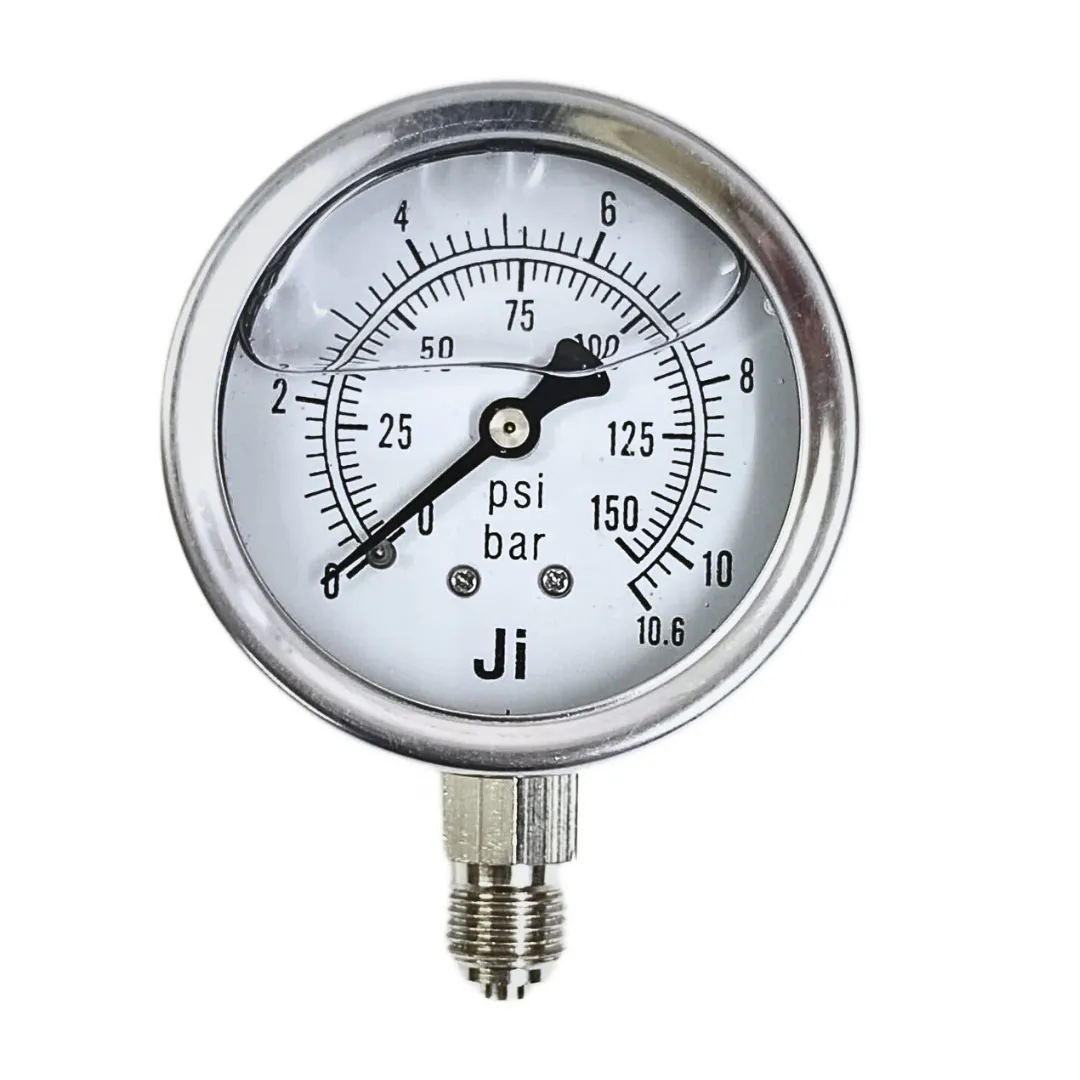
Pressure gauges are among the most important boiler instruments.
They measure steam or water pressure inside the boiler.
1. Importance of Pressure Measurement
Boilers operate under controlled pressure ranges.
Excess pressure can cause:
- Safety hazards
- System damage
- Reduced efficiency
Low pressure may affect steam supply to processes.
2. Common Boiler Pressure Gauges
Typical pressure gauges include:
3. Boiler Pressure Gauge Features
Key features include:
- High pressure resistance
- Vibration resistance
- Temperature tolerance
- Corrosion resistance
4. Common Pressure Gauge Locations in Boilers
Installed at:
- Steam drum
- Feedwater line
- Fuel line
- Air line
- Condensate systems
Temperature Instruments for Boilers
Temperature monitoring is critical for efficient combustion and heat transfer.
1. Common Temperature Measuring Instruments
Used instruments include:
2. Areas Where Temperature is Measured
- Steam outlet
- Feedwater inlet
- Flue gas outlet
- Furnace temperature
- Fuel temperature
3. Importance of Boiler Temperature Monitoring
Proper temperature monitoring helps:
- Improve combustion efficiency
- Reduce heat loss
- Prevent overheating
- Protect boiler tubes
Water Level Instruments in Boilers
Maintaining proper water level is critical for boiler safety.
Low water level can expose boiler tubes, causing overheating and failure.
High water level may carry water into steam lines.
1. Common Boiler Level Instruments
- Reflex level gauges
- Transparent level gauges
- Magnetic level indicators
- Differential pressure transmitters
- Float level switches
2. Boiler Water Level Gauge Functions
They help operators:
- Monitor drum water level
- Prevent dry firing
- Ensure stable steam generation
3. Safety Importance of Level Monitoring
Poor level control is one of the major causes of boiler accidents.
Reliable level instruments significantly reduce this risk.
Flow Meters in Boiler Systems
Flow measurement is essential for controlling:
- Feedwater flow
- Steam flow
- Fuel flow
- Air flow
1. Common Boiler Flow Meters
- Orifice plate flow meters
- Rotameters
- Magnetic flow meters
- Vortex flow meters
- Turbine flow meters
2. Importance of Steam Flow Measurement
Steam flow monitoring helps:
- Balance energy usage
- Improve efficiency
- Monitor production demand
3. Fuel Flow Measurement
Monitoring fuel flow helps optimize combustion and reduce operating cost.
4. Air Flow Measurement in Boilers
Airflow is essential for efficient combustion.
Incorrect air-fuel ratio causes:
- Incomplete combustion
- Smoke formation
- Fuel wastage
- Heat loss
5. Common Air Flow Instruments
- Differential pressure flow meters
- Pitot tubes
- Air velocity sensors
- Air flow transmitters
Combustion Control Instruments
Combustion efficiency determines boiler performance.
Instrumentation helps maintain proper fuel-air mixture.
Instruments Used in Combustion Monitoring
- Oxygen analyzers
- Flue gas analyzers
- Draft gauges
- Temperature sensors
Oxygen Analyzer Importance
Excess oxygen indicates inefficient combustion.
Too little oxygen creates incomplete burning.
Correct oxygen level improves fuel economy.
Draft Gauges in Boiler Systems
Draft pressure is important for proper furnace operation.
Draft gauges monitor pressure inside:
- Furnace
- Chimney
- Flue system
Types of Draft Gauges
- Inclined manometers
- Differential pressure gauges
- Digital draft indicators
Safety Instruments for Boilers
Boiler safety instrumentation protects both equipment and personnel.
Common Safety Devices
- Safety valves
- Pressure switches
- Temperature switches
- Low water cutoff switches
- Flame failure detectors
Flame Monitoring Instruments
Boilers using burners require flame detection systems.
These instruments ensure fuel supply shuts off if flame disappears.
Boiler Automation Instruments
Modern boilers increasingly use automation systems.
Common Automation Components
- PLC systems
- SCADA systems
- PID controllers
- Smart transmitters
Benefits of Boiler Automation
- Better efficiency
- Reduced manpower
- Faster response
- Predictive maintenance
- Remote monitoring
Smart Boiler Instrumentation
Modern instruments include:
- Digital displays
- IoT connectivity
- Wireless communication
- Data logging
- Remote diagnostics
1. Boiler Instrument Materials
Boiler instruments must withstand harsh conditions.
Common materials include:
- Stainless steel
- Brass
- Cast iron
- PTFE coatings
2. Factors Affecting Instrument Selection
Selecting the correct instrument depends on:
- Temperature range
- Pressure range
- Steam quality
- Chemical exposure
- Mounting type
- Accuracy requirement
Boiler Instrument Installation Best Practices
1. Correct Mounting Position
Install instruments in accessible and vibration-free areas.
2. Use Isolation Valves
Allows maintenance without shutting down system.
3. Proper Impulse Lines
Ensure correct pressure transmission.
4. Thermal Protection
Use siphons or cooling elements for pressure gauges exposed to steam.
5. Calibration and Maintenance
Regular maintenance is essential for reliable operation.
Why Calibration Matters
Inaccurate instruments can cause:
- Fuel wastage
- Safety risks
- Wrong process control
Recommended Maintenance Activities
- Calibration checks
- Leak inspection
- Cleaning
- Sensor testing
- Wiring inspection
Common Boiler Instrument Problems
1. Pressure Gauge Failure
Caused by:
- Vibration
- Overpressure
- Steam pulsation
2. Temperature Sensor Drift
Occurs due to prolonged heat exposure.
3. Level Gauge Blockage
Caused by scale or sludge accumulation.
4. Flow Meter Inaccuracy
May result from poor installation or dirty fluid.
Industries Using Boiler Instrumentation
Boiler instrumentation is essential across many industries.
1. Power Plants
Steam generation and turbine operation.
2. Pharmaceutical Industry
Sterilization and clean steam systems.
3. Food Processing
Cooking, cleaning, and process heating.
4. Textile Industry
Steam-based heating and drying.
5. Chemical Plants
Process heating and reaction control.
6. Oil & Gas Industry
Steam injection and refinery operations.
Benefits of High-Quality Boiler Instruments
Investing in quality instruments provides:
- Better efficiency
- Longer equipment life
- Lower maintenance cost
- Improved safety
- Accurate process control
- Reduced fuel consumption
Future Trends in Boiler Instrumentation
Boiler instrumentation is evolving rapidly.
1. IoT Enabled Monitoring
Remote performance monitoring and analytics.
2. Predictive Maintenance
AI-based failure prediction.
3. Wireless Sensors
Reduced wiring complexity.
4. Energy Optimization Systems
Advanced combustion optimization.
5. Environmental Monitoring
Improved emission compliance systems.
Common Mistakes to Avoid
- Using low-quality instruments
- Ignoring calibration schedules
- Improper installation
- Wrong pressure range selection
- Lack of vibration protection
Boiler Instrument Maintenance Checklist
Regular maintenance should include:
- Gauge inspection
- Sensor calibration
- Leak checking
- Cleaning impulse lines
- Verifying alarm systems
- Testing safety switches
Real Industrial Example
A textile plant experienced high fuel consumption and unstable steam pressure.
After upgrading boiler instrumentation:
- Steam control improved
- Fuel usage reduced
- Downtime decreased
- Boiler efficiency increased significantly
This demonstrates how proper instrumentation directly impacts plant performance.
Conclusion
Industrial instruments are essential for safe, efficient, and reliable boiler operation. From pressure gauges and temperature sensors to flow meters and level instruments, each device plays a critical role in monitoring and controlling boiler performance.
Proper instrumentation helps industries improve efficiency, reduce fuel consumption, prevent failures, and maintain safety compliance. As industrial boilers become more automated and energy-focused, advanced instrumentation continues to play an increasingly important role.
Investing in high-quality boiler instruments is not just about measurement—it is about operational excellence, safety, and long-term reliability.
Japsin Instrumentation – Since 1974