

Flow Meter vs Rotameter – Key Differences Explained
Flow measurement is one of the most important aspects of industrial process control. Industries such as oil & gas, pharmaceuticals, chemical processing, water treatment, food manufacturing, HVAC, and power generation depend heavily on accurate flow monitoring to ensure efficient and safe operations.
Among the most commonly used flow measuring instruments are Flow Meters and Rotameters. While both instruments are designed to measure fluid flow, they differ significantly in terms of working principle, construction, accuracy, applications, technology, and performance.
Many people often confuse rotameters with flow meters because a rotameter itself is actually a type of flow meter. However, in industrial terminology, the term “flow meter” is generally used to describe advanced electronic or digital flow measurement devices, while “rotameter” refers specifically to a variable area mechanical flow measuring instrument.
Understanding the difference between a flow meter and a rotameter is essential for selecting the right instrument for industrial applications.
This detailed guide explains:
- What flow meters are
- What rotameters are
- Working principles
- Key differences
- Types
- Advantages and limitations
- Industrial applications
- Selection criteria
- Industry 4.0 integration
This professional comparison will help industries choose the most suitable flow measurement solution for their operations.
Table of Contents
What Is a Flow Meter?
A flow meter is an instrument used to measure the flow rate or quantity of liquids, gases, or steam moving through a pipe or process system.
Flow meters provide continuous measurement of:
- Flow rate
- Fluid velocity
- Volume
- Mass flow
Modern flow meters may include:
- Digital displays
- Electronic sensors
- Data logging
- Communication outputs
- Smart automation integration
Flow meters are widely used in automated industrial systems.
What Is a Rotameter?
A rotameter is a type of variable area flow meter that uses a float moving inside a tapered tube to indicate flow rate.
As fluid flows upward through the tapered tube:
- The float rises
- The area around the float increases
- The float stabilizes at a position corresponding to the flow rate
Rotameters are typically mechanical devices and do not require external power.
Rotameter Working Principle Formula
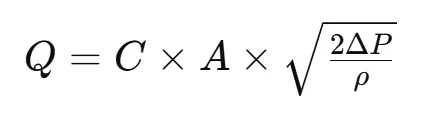
Where:
- Q = Flow rate
- C = Discharge coefficient
- A = Flow area
- ΔP = Pressure difference
- ρ = Fluid density
Rotameters work based on variable area flow measurement principles.
Basic Working Principle of Flow Meters
Different flow meters use different measurement technologies.
Common flow meter principles include:
- Electromagnetic sensing
- Ultrasonic measurement
- Turbine rotation
- Differential pressure
- Coriolis mass flow
- Vortex shedding
- Thermal sensing
Modern flow meters often provide highly accurate electronic measurement.
Basic Working Principle of Rotameters
Rotameters work using a float inside a tapered vertical tube.
As fluid flow increases:
- The float rises upward
- The flow area increases
- Float position indicates flow rate
The float stabilizes when upward fluid force equals gravitational force.
Main Difference Between Flow Meter and Rotameter
The biggest difference is:
- Flow meter is a broad category of flow measuring instruments
- Rotameter is a specific mechanical type of flow meter
Modern industrial flow meters are usually more advanced and electronically controlled.
Key Differences Between Flow Meter and Rotameter
| Feature | Flow Meter | Rotameter |
|---|---|---|
| Technology | Mechanical or electronic | Mechanical |
| Accuracy | High | Moderate |
| Power Requirement | Often required | Usually not required |
| Output Signal | Analog/Digital | Local indication |
| Automation Integration | Excellent | Limited |
| Remote Monitoring | Yes | No |
| Cost | Higher | Lower |
| Maintenance | Moderate | Low |
| Installation | Flexible | Vertical only |
| Smart Features | Available | Limited |
Types of Flow Meters
There are many types of industrial flow meters.
1. Electromagnetic Flow Meter
Uses electromagnetic induction for conductive fluids.
Applications:
- Water treatment
- Chemical industries
2. Ultrasonic Flow Meter
Uses sound waves for flow measurement.
Advantages:
- Non-invasive
- High accuracy
3. Turbine Flow Meter
Measures flow using rotating turbine blades.
Applications:
- Oil systems
- Fuel measurement
4. Coriolis Flow Meter
Measures mass flow directly.
Advantages:
- Extremely accurate
- Multi-parameter measurement
5. Vortex Flow Meter
Measures vortices generated by fluid flow.
Applications:
- Steam systems
- Gas flow measurement
6. Thermal Mass Flow Meter
Measures heat transfer changes caused by flow.
Applications:
- Gas measurement
- Air systems
Types of Rotameters
Rotameters are available in several designs.
1. Glass Tube Rotameter
Uses transparent glass tube.
Advantages:
- Easy visual monitoring
- Cost-effective
2. Metal Tube Rotameter
Uses metallic construction for harsh conditions.
Applications:
- High pressure systems
- Chemical industries
3. Acrylic Rotameter
Made from transparent acrylic material.
Applications:
- Water systems
- Laboratory use
4. Purge Rotameter
Designed for low-flow applications.
Applications:
- Instrumentation systems
- Gas purging
Advantages of Flow Meters
1. High Accuracy
Modern electronic flow meters provide precise measurements.
2. Automation Integration
Can connect with:
- PLC systems
- SCADA
- DCS systems
- IoT platforms
3. Remote Monitoring
Supports centralized monitoring.
4. Data Logging
Stores historical process data.
5. Wide Application Range
Suitable for liquids, gases, and steam.
6. Smart Diagnostics
Advanced models provide self-diagnostics and alarms.
Advantages of Rotameters
1. Simple Design
Easy to install and operate.
2. No Power Requirement
Most rotameters work mechanically.
3. Low Cost
Economical for basic flow monitoring.
4. Visual Indication
Provides direct local reading.
5. Low Maintenance
Minimal moving parts reduce maintenance needs.
Limitations of Flow Meters
1. Higher Initial Cost
Advanced flow meters are more expensive.
2. Complex Installation
Some models require careful installation conditions.
3. Power Dependency
Electronic models require power supply.
Limitations of Rotameters
1. Lower Accuracy
Less accurate than advanced digital flow meters.
2. Vertical Installation Required
Most rotameters must be mounted vertically.
3. Limited Automation
Usually unsuitable for advanced smart systems.
4. Manual Reading
Requires local observation.
5. Pressure and Temperature Limitations
Glass tubes may have operating limitations.
Flow Meter Applications
Flow meters are used extensively in:
- Oil & gas
- Chemical processing
- Pharmaceuticals
- Food & beverage
- HVAC systems
- Water treatment
- Power plants
- Smart manufacturing
Rotameter Applications
Rotameters are commonly used in:
- Laboratories
- Water systems
- Gas flow indication
- Purge systems
- OEM machinery
- Instrument panels
Accuracy Comparison
| Instrument | Typical Accuracy |
|---|---|
| Coriolis Flow Meter | ±0.1% |
| Electromagnetic Flow Meter | ±0.5% |
| Ultrasonic Flow Meter | ±1% |
| Rotameter | ±2% to ±5% |
Electronic flow meters generally provide higher precision.
Flow Meter vs Rotameter for Industry 4.0
Industry 4.0 requires:
- Real-time monitoring
- Automation
- Data analytics
- IoT connectivity
Digital flow meters support these technologies effectively.
Rotameters are mainly used for local monitoring applications.
Smart Flow Meter Technology
Modern smart flow meters include:
- Wireless communication
- Cloud integration
- Digital diagnostics
- Predictive maintenance
- Remote monitoring
These features improve operational efficiency.
Installation Considerations
1. Flow Meters
Installation depends on meter type.
Factors include:
- Straight pipe length
- Fluid conductivity
- Pipe vibration
- Flow profile
2. Rotameters
Require:
- Vertical installation
- Upward flow direction
- Clean fluid conditions
Maintenance Comparison
| Feature | Flow Meter | Rotameter |
|---|---|---|
| Electronics | Yes | No |
| Calibration | Required | Minimal |
| Cleaning | Moderate | Easy |
| Service Complexity | Higher | Lower |
Cost Comparison
Rotameters are generally less expensive.
Flow meters have higher upfront cost but offer:
- Better accuracy
- Automation support
- Smart functionality
Choosing Between Flow Meter and Rotameter
Selection depends on:
- Accuracy requirements
- Budget
- Process conditions
- Automation needs
- Fluid type
- Installation space
When to Choose a Rotameter?
Choose rotameters when:
- Budget is limited
- Local indication is sufficient
- Simple systems are used
- Power is unavailable
When to Choose a Flow Meter?
Choose advanced flow meters when:
- High accuracy is required
- Automation integration is needed
- Remote monitoring is important
- Process control is critical
Industrial Example
A water treatment plant initially used rotameters for chemical dosing systems.
As automation requirements increased, the plant upgraded to digital electromagnetic flow meters.
Results included:
- Improved dosing accuracy
- Better process control
- Remote monitoring capability
- Reduced chemical wastage
This demonstrates how application requirements determine instrument selection.
Future of Flow Measurement Technology
Flow measurement technology is evolving rapidly.
Future trends include:
- AI-driven analytics
- Wireless instrumentation
- Smart IoT flow meters
- Cloud-based monitoring
- Predictive diagnostics
- Digital twin integration
Electronic flow meters will continue dominating Industry 4.0 applications.
Why Understanding the Difference Matters?
Selecting the wrong instrument may lead to:
- Poor accuracy
- Higher maintenance
- Process inefficiency
- Increased operating costs
Understanding the differences between flow meters and rotameters helps industries make better engineering decisions.
Conclusion
Both flow meters and rotameters play important roles in industrial flow measurement, but they serve different operational needs.
Rotameters are simple, economical, and reliable mechanical flow indicators ideal for basic monitoring applications. On the other hand, modern electronic flow meters provide advanced accuracy, automation integration, remote monitoring, and smart diagnostics required in today’s industrial environments.
As industries move toward Industry 4.0, automation, and data-driven manufacturing, digital flow meters are becoming increasingly important. However, rotameters still remain highly valuable for cost-effective and local flow indication applications.
Choosing the right flow measurement instrument depends on the specific process requirements, accuracy needs, operating conditions, and automation goals of the industry.
Japsin Instrumentation – Since 1974