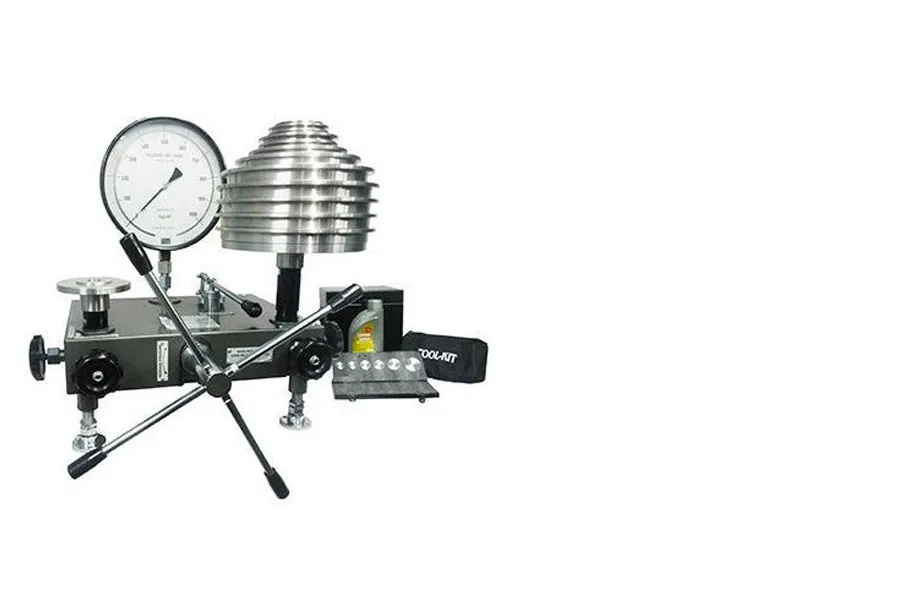


Precision in pressure calibration is critical in industrial environments such as oil and gas, power generation, pharmaceuticals, and chemical processing. Among the most reliable calibration tools available today is the dead weight tester (DWT) — regarded as the gold standard for accuracy and traceability.
However, choosing the right dead weight tester is not as simple as picking the highest pressure range or the most affordable model. Mistakes in the selection process can lead to calibration inaccuracies, safety hazards, increased maintenance costs, and regulatory non-compliance.
In this in-depth guide, we highlight the top 7 mistakes to avoid when selecting a dead weight tester, ensuring that you make an informed decision for your business. Whether you are a calibration lab manager, a QA/QC engineer, or a procurement specialist, this article will help you navigate the process with clarity.
Table of Contents
Mistake #1: Ignoring the Specific Pressure Range Requirements
One of the most common errors is selecting a DWT with a pressure range that does not match your application needs. Some users either overestimate or underestimate their pressure requirements, leading to inaccurate calibration or damage to the device.
Why It Matters:
- Too high a range: Low-pressure instruments won’t be calibrated accurately due to poor resolution.
- Too low a range: You risk exceeding the tester’s limits and damaging the piston-cylinder system.
How to Avoid It:
- Audit all the instruments you intend to calibrate.
- Select a DWT that covers your pressure instruments’ full range, with some buffer.
- For varied pressure needs, consider multi-range DWTs or interchangeable piston assemblies.
Mistake #2: Choosing the Wrong Medium (Hydraulic vs Pneumatic)
Dead weight testers operate using either a hydraulic or pneumatic medium. Each has advantages, but using the wrong one for your environment can lead to contamination, corrosion, or inaccurate results.
Common Missteps:
- Using hydraulic testers in cleanrooms (pharmaceuticals, electronics).
- Using pneumatic testers in high-pressure, rugged industrial settings.
Best Practices:
- Hydraulic DWTs (oil or water-based) are better for high-pressure applications like oil & gas and power generation.
- Pneumatic DWTs (air or nitrogen) are best for low-pressure and clean environments, like labs or pharmaceutical manufacturing.
- Consider dual-medium testers for broader application.
Mistake #3: Overlooking Accuracy and Traceability Requirements
Many users neglect to confirm the accuracy level and traceability standards of their calibration equipment.
Consequences:
- Failure to meet industry regulations (GMP, ISO, ASTM).
- Non-traceable calibrations can invalidate your entire QA process.
What to Do:
- Check the tester’s accuracy rating (e.g., ±0.015%, ±0.05%).
- Request NABL/NIST-traceable weight certificates.
- Verify that the equipment complies with ISO 17025 calibration standards.
- Ensure the supplier (e.g., Japsin Instrumentation) provides a traceability chain with documentation.
Mistake #4: Ignoring Environmental and Installation Conditions
DWTs are sensitive instruments and their performance can be impacted by external factors.
Risks:
- Using in areas with extreme temperatures or high humidity.
- Not accounting for gravitational variation based on geographic location.
- Installing without proper leveling, causing reading errors.
Tips:
- Opt for testers with gravity compensation weights or adjustable gravity factors.
- Install in temperature-stable environments.
- Always ensure the tester is on a perfectly level surface.
- For field use, go for portable models with protective casings.
Mistake #5: Disregarding Adapter and Port Compatibility
You may find yourself with a high-quality dead weight tester but unable to use it due to incompatible ports or thread sizes with your existing instruments.
Real-world Issues:
- Time and money wasted on makeshift adapters.
- Risk of leaks or inaccurate readings.
- Damage to sensitive instrumentation.
Smart Selection:
- Confirm port types: BSP, NPT, Metric, SAE, etc.
- Choose testers that offer universal adapters.
- Check if the manufacturer (like Japsin) can supply custom connectors.
Mistake #6: Underestimating Maintenance Needs and Long-Term Usability
Some buyers assume that once installed, the dead weight tester needs no upkeep. However, like any precision tool, DWTs require regular maintenance to function correctly.
What Can Go Wrong:
- Piston-cylinder wear over time.
- Fluid contamination or corrosion.
- Weight misalignment.
Maintenance Essentials:
- Choose DWTs with modular design for easy cleaning.
- Use filtered fluids for hydraulic testers.
- Store weights properly and avoid physical damage.
- Ensure the manufacturer offers spare parts and AMC (Annual Maintenance Contract) services.
Mistake #7: Failing to Evaluate the Manufacturer or Supplier’s Credentials
Even the best equipment can fall short if sourced from an unreliable vendor. Many companies prioritize price over expertise, support, or certification.
Red Flags:
- No in-house technical support.
- Delayed service or calibration.
- Poor documentation.
Why Japsin Instrumentation is the Right Choice:
- Over 50+ years of experience in process control instrumentation.
- Supplies DWTs with NABL-traceable weights, ISO 17025-compliant reports.
- Offers PAN-India service, technical training, and remote consultation.
- Custom-built solutions for varied industries: oil & gas, pharma, aerospace, and more.
Conclusion
Selecting the right dead weight tester is a strategic decision that can impact the accuracy, compliance, and operational integrity of your industrial systems. By avoiding the top 7 mistakes outlined in this guide, you ensure reliable pressure calibration for years to come.
Companies like Japsin Instrumentation bring decades of expertise, premium equipment, and nationwide service networks to support your industrial calibration needs. Whether you’re setting up a new lab or upgrading legacy equipment, our team helps you choose the ideal dead weight tester based on your industry, application, and compliance requirements.
Need Help Choosing Your Dead Weight Tester?
Reach out to Japsin Instrumentation for a free consultation. Our experts will help you assess your current calibration requirements and recommend the right DWT with full traceability, support, and service.
Japsin Instrumentation – Since 1974
Next: Dead Weight Testers: The Gold Standard for Pressure Calibration in Industrial Instrumentation